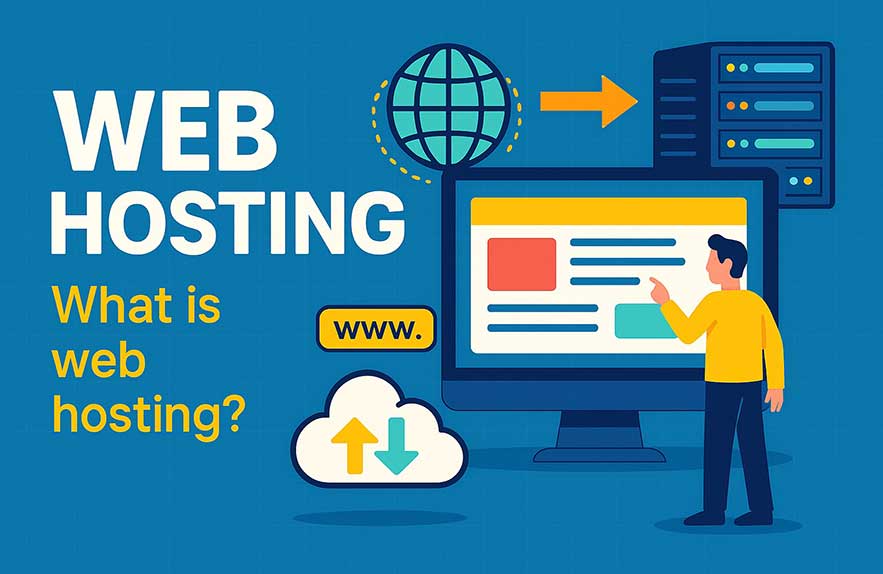
What Is Managed Hosting? A Beginner-Friendly Explanation
Imagine this: you finally launch your own website—maybe it’s a blog, a growing online shop, or your agency’s digital headquarters. The thrill is real, but so is the anxiety. Ever wondered who keeps those sites online through late-night traffic spikes, surprise updates, or security threats you didn’t even know existed? Here’s the thing: if you’ve heard about managed hosting but were lost on the details, you’re in good company.
Managed hosting means handing over the technical heavy lifting of running your website to a team of professionals, instead of wrestling with servers on your own. In plain language, your hosting provider takes care of server setup, maintenance, updates, security patches, and daily backups. No need to chase error logs or panic at midnight when something goes wrong—the experts handle it. The managed hosting meaning comes down to a promise: you focus on your business, your content, or your sales, and the hosting team keeps everything humming in the background.
Let’s dive deeper for a moment. The big difference between managed hosting and unmanaged (sometimes called self-hosted or bare metal) is who does the daily work. With unmanaged hosting, you’re running the show—installing updates, fixing crashes, securing your database, and worrying about downtime. Ever tried to run WordPress on your own VPS and gotten flooded by notifications about patching plugins, setting up firewalls, or optimizing speed? If so, you know managed hosting isn’t just a buzzword—it’s a real time-saver.
So who actually needs managed hosting? It’s a game-changer for anyone who would rather build or market their website than play system admin. Small businesses love the peace of mind, agencies can scale without worrying about who’s “on call,” and eCommerce owners appreciate knowing their sites get pro-level attention. In 2025, managed hosting meaning grows even more important. Websites are more complex, customers expect instant speed and security, and downtime is costlier than ever. Managed hosting is less about “out-of-the-box” hosting and more about having tech talent on your team—even if you’re not technically minded yourself.
Here’s a little secret: even big brands use managed hosting. Why? So their in-house tech pros can focus on coding and growth, not server reboots. But here’s where it gets interesting—managed hosting isn’t only for corporate IT. Everyday entrepreneurs, freelancers, side hustlers, and local organizations all reap the same benefits: more uptime, fewer headaches, and more energy for big-picture goals. Have you ever lost sleep wondering if a website update would crash your main page? Managed hosting is designed to make sure you never worry alone.
Ready to see what you actually get when you go managed? Up next, let’s break down the features and support you can expect when you choose a fully managed hosting platform.
Table of Contents
- What Is Managed Hosting? A Beginner-Friendly Explanation
- What’s Included in a Fully Managed Hosting Service?
- Pros and Cons of Managed Hosting
- When Should You Choose Managed Hosting?
- Top Managed Hosting Providers in 2025
- Final Thoughts: Is Managed Hosting Worth It in 2025?
What’s Included in a Fully Managed Hosting Service?
Let’s dive into the details of what makes a fully managed hosting package stand out in 2025. Ever wondered why some site owners seem relaxed about security, updates, or sudden spikes in visitors? The secret is that fully managed hosting and managed hosting services take the daily grind off your plate so you can focus on the fun stuff—growing your site, writing content, or working with clients.
At its core, a fully managed hosting package covers all the hands-on task you’d rather not deal with on your own. When you sign up, the provider handles server setup and configuration before you even log in. Most platforms will take care of operating system patching and regular software updates, so you do not have to track down vulnerabilities or review upgrade lists every month. Ever lost an afternoon battling with a server that wouldn’t update? Managed hosting services make that worry disappear with proactive updates and fixes built into the plan.
Security is another area where managed hosting shines. Imagine a dedicated team monitoring your site for suspicious activity, running malware scans, and keeping out hackers 24/7. Automated backups are another standard feature. Most fully managed hosting platforms will back up your site daily, sometimes even hourly, and store those backups safely—and restoring them is as simple as a few clicks if anything goes wrong. Don’t forget about built-in control panel support: cPanel and Plesk are standard on many managed hosting services, giving you a user-friendly dashboard to manage email, installs, databases, and more—all without needing deep tech knowledge.
Let’s not skip customer support. Managed hosting services typically come with true around-the-clock support, so if you wake up to an unexpected outage or glitch, you are not alone. Live chat, phone, and ticket support ensure your site gets attention from experts who know your setup and can solve problems fast. This is a major selling point for agencies and business owners who do not want to risk downtime during busy periods or product launches.
Here’s where things get interesting: not all managed hosting services include the same features. Some focus on WordPress-specific tools, like one-click staging sites or built-in caching, while others highlight multi-website management for agencies or extended reporting for compliance needs. Be sure to review your provider’s offerings, ask questions, and compare what’s included before you commit. For some, the key differentiator might be automated malware removal. For others, it could be custom firewalls or advanced eCommerce optimizations. The market keeps evolving, and each provider is trying to stand out with smarter, safer features.
Ever found yourself wishing for fewer tech headaches and more “it just works” moments? Fully managed hosting lets you focus on building and growing, while the nitty-gritty happens behind the scenes. In our next deep dive, let’s weigh the real pros and cons of these services—and see who gets the most out of the benefits of managed hosting.
Pros and Cons of Managed Hosting
The excitement of launching a new website or scaling up a growing business often runs headlong into a big decision: do you want to handle every technical detail yourself, or leave the heavy lifting to a managed hosting team? Here’s the truth—while the benefits of managed hosting are real for most users, there are a few trade-offs to weigh, especially if you love to customize every inch of your online presence. Ever wondered “Is paying extra really worth it for peace of mind?” Let’s look at both sides, so you can match your decision to your needs and your budget.
Let’s start with the good news. On the pros side, the benefits of managed hosting stack up fast. You save time, right out of the gate, because the hosting provider takes care of everything from server setup and updates to routine security patches. This means you can launch new ideas, deploy WordPress or eCommerce sites, or test digital products—without ever worrying about downtime from missed upgrades. Ever spent hours googling obscure error codes after a late-night crash? With managed hosting, those support tickets go to real engineers who fix issues for you, usually before you’re even aware there’s a glitch.
Built-in support isn’t just about fixing problems. It’s also about faster site speed, better malware defense, and peace of mind when you sleep. For freelancers and agencies, managed hosting means not having to put clients on hold if something breaks. Backups, malware scans, and automated repairs are all part of the safety net. For those who aren’t server experts—or don’t want to be—these perks quickly justify the investment. It is the tech world’s version of moving into an apartment with a full-time manager on duty instead of handling every broken pipe yourself.
But let’s be real: there are a few downsides. Managed hosting almost always costs more than basic DIY options. If you run a dev team that loves tinkering with server configs or have advanced performance tuning needs, managed hosting can feel restrictive. Some platforms don’t allow root access or custom software installs, occasionally making developers feel hemmed in. Another thing to consider is vendor lock-in; if all your backups, configs, and special tweaks live on one managed platform, moving away down the line might be tricky—especially if your business grows or needs change.
Have you ever struggled between wanting total control and craving a simple setup that just works? The sweet spot for many users is finding managed hosting services that offer core benefits with a little room to personalize—like advanced caching settings or developer-friendly staging. The flexibility is out there, but it pays to know what you want in advance. After all, it’s a lot easier to hand over tasks you dread than to give up the fun of customizing your platform, right?
In the next deep dive, we’ll help you decide when managed hosting is the smartest fit—and when you might be better off rolling up your sleeves with a more hands-on hosting solution.
When Should You Choose Managed Hosting?
Let’s dive deeper into the decision: is managed hosting best for you, or does another option fit your project and skill set? The answer isn’t always as clear-cut as you might think. Imagine you’re a small business owner, focused on marketing or product launches, not on server maintenance. Or maybe you’re a freelancer juggling half a dozen client sites with different needs and deadlines. If the idea of spending nights patching software or troubleshooting downtime sounds exhausting, managed hosting becomes a real lifeline.
One of the strongest use cases is for agencies or non-technical website owners managing live stores or portfolio sites. The convenience of not worrying about surprise updates or security hiccups means you spend more time brainstorming for clients or enhancing the customer experience, not stuck in technical weeds. Ever started an online shop only to discover you now need to understand server logs, malware scans, and daily data backups? That’s when leaning on a supportive hosting team starts feeling like a must, not a luxury.
For those who ask what is managed hosting, it’s straightforward: you pay for peace of mind, stability, and the ability to hand off troubleshooting, testing, and recovery tasks. The best fit is for users who want to focus on content, sales, or user experience—basically, the parts of running a business that get you excited to work, not bogged down in admin tasks. Even experienced developers reach for managed platforms when speed, consistency, and hassle-free scaling matter more than full root access or unlimited customization.
But let’s not skip those who might prefer a hands-on approach. If you’re in a development team, love to build custom apps, or use your server for testing new tech, unmanaged hosting or cloud VMs could be a better match. These options give you control over every detail—and the freedom to experiment, test, and reboot as needed—at the price of more work. Sometimes startups go with unmanaged hosting for their staging and development setups, then move to managed hosting when ready to scale or bring on a non-technical team member.
Here’s where it pays to be honest with yourself: do you want to be responsible for website speed, uptime, and emergency phone calls at midnight if something breaks? Or would you rather hand that off and put your creative energy elsewhere? If you have ever lost a night’s sleep over a website crash or felt over your head with technical updates, you know how valuable a trustworthy managed provider truly becomes.
Ultimately, managed hosting is about understanding your strengths, priorities, and where your time is best spent. In our final comparison, we’ll look at some top services available in 2025 and point out which ones are a match for popular use cases—from small businesses to creative agencies and beyond.
Top Managed Hosting Providers in 2025
When it comes to finding the right partner for your managed hosting needs, 2025 brings a host of strong choices. Curious about which provider really fits your use case, budget, and comfort level? Here’s the thing: while the best solution varies for every business, a few names consistently top the charts for reliability, feature sets, and support. Let’s explore the managed hosting services that are helping everyone from small startups to large agencies run worry-free websites all year long.
Cloudways is known for giving you the flexibility of major cloud infrastructure—think AWS, Google Cloud, DigitalOcean—wrapped in a user-friendly managed hosting layer. It’s ideal if you want fast scaling, one-click server launches, automated daily backups, and around-the-clock support, but don’t want to handle raw cloud complexity. Cloudways stands out for agencies, growing businesses, and anyone keen on managed WordPress, Magento, or custom app deployments without deep technical skills.
For pure WordPress power, WP Engine dominates the field. Their managed hosting services cater to everyone from solo bloggers to huge online stores and media sites. Features include custom caching for speed, automatic core and plugin updates, robust security monitoring, and expert WordPress support. WP Engine isn’t the cheapest, but for teams running demanding sites or agencies looking to impress clients, the performance and peace of mind are worth every penny.
Nexcess is a top pick for managed hosting with a broad technology stack—supporting everything from WooCommerce to Magento and Craft CMS. Users love Nexcess for its “plugin performance monitor,” free SSLs, automatic scaling during traffic spikes, and built-in staging environments. If your eCommerce business needs powerful hosting tailored for security, compliance, and uptime, Nexcess excels at keeping things running smoothly, even at scale.
SiteGround has earned a huge following for its rock-solid managed hosting services and phenomenal customer support. Their managed plans include daily backups, proactive security, easy auto-updates, and a custom user panel that even beginners will find approachable. Many freelancers and small agencies appreciate how easy it is to manage multiple sites without tech headaches, and their advanced features—like built-in caching and email tools—are a real bonus.
For those wanting a managed VPS experience, A2 Hosting blends the freedom of private servers with all the safety nets of a hands-off hosting package. You get root access if you want, but also benefit from around-the-clock monitoring, automated patching, easy performance tuning, and a robust support team. Developers, power users, and agencies looking to scale sometimes start with shared or cloud hosting elsewhere before moving to A2 Hosting for advanced control and expert guidance on demand.
When comparing managed hosting services, take time to review the unique features, entry pricing, and included perks for each provider. The right managed host will save you time, reduce risk, and empower you to launch new projects with confidence. Next up: let’s wrap up by reviewing who benefits most from managed hosting in 2025—and whether it truly delivers enough value for your peace of mind.
Final Thoughts: Is Managed Hosting Worth It in 2025?
So, is managed hosting still the smart, stress-free path for most site owners in 2025? Here’s the thing: as the digital world picks up speed and web projects grow more complex, managed hosting is more than just a convenience—it’s an investment in peace of mind. Have you ever wished you could hand off all the server worries and simply focus on growing your business, sharing your content, or delighting your customers? This hosting style is built for exactly that.
Managed hosting saves you hours every month on updates, security, uptime checks, and troubleshooting. Small businesses, creative agencies, and busy freelancers love having a trusted support team and automatic backups. Did you ever notice how much smoother your workflow goes when you skip the late-night stress and skip straight to creating or selling? That’s the core benefit for non-tech site owners, busy managers, or organizations that can’t afford hiccups during a launch or client campaign. The trend toward “hybrid” solutions—mixing managed platforms with just the right dose of customization—means even more teams can enjoy dedicated help while still keeping the unique parts of their business in their own hands.
But what about limitations? While fully managed hosting is perfect for those craving simplicity, 24/7 support, and reliable security, DIY enthusiasts and dev teams might find it limiting. If you prefer tinkering behind the scenes, want to test new platforms on your own time, or need features that go beyond the basics, an unmanaged solution could be a better fit. For the majority, though, managed hosting meaning guarantees less downtime, expert help, and a clearer path from big idea to live website.
Here’s a pro tip: before you choose, map out your must-haves. Is a fully managed hosting package the right fit because you hate handling security or love the idea of daily automatic backups? Or does your project need more flexibility, with control over server tweaks and custom code? Knowing what matters most will keep you happy for years—and save you time and support calls down the line.
In conclusion, managed hosting can save you hours every month, even if you’re not a tech expert. For most users, the blend of reliability, security, and dedicated customer support makes this one of the wisest choices for growing teams, busy professionals, and anyone who wants to focus on what they do best—not just what runs in the background.

Georgijus
Founder of LivePCTech, Georgijus is a full-stack engineer with 16+ years of experience in hosting, DevOps, Linux/Windows systems, and backend software development.
→ Learn more about Georgijus