Why Resume Software Still Matters in 2025
Think resumes are old news in a world of LinkedIn profiles and one-click job apps? Think again. In 2025, resumes are still very much alive — and more important than ever. In fact, search demand for the best program for making resume documents has only increased. Why? Because no matter how digital the world gets, you still need a clean, well-formatted file that opens fast, scans easily, and gets straight to the point.
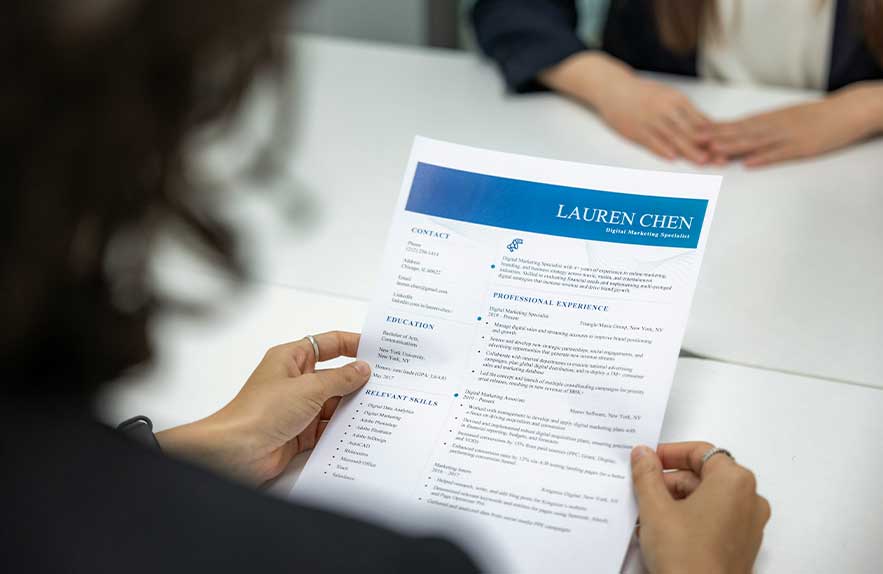
Today’s job market moves fast, and hiring managers don’t have time to wrestle with sloppy layouts or unreadable fonts. If your resume isn’t easy to scan — especially by Applicant Tracking Systems (ATS) — it might not even reach a human. That’s where modern resume software comes in. It helps you create a resume that looks sharp, stays organized, and plays nice with ATS filters. Whether you’re applying for internships, full-time roles, or remote gigs, picking the best program for making resume files gives you a real edge.
Here’s the thing: there are tons of options out there — online templates, drag-and-drop resume builders, even old-school word processors. Each one has its pros and cons. Some people still use a resume builder in Word because they like the control. Others go for slick web tools with built-in suggestions and export features. But not every tool saves time. Some just create more work — especially if formatting breaks the second you try to upload it somewhere.
That’s why people are constantly looking for the best software for resume creation that actually delivers. Clean design, smart templates, and easy PDF or Word export shouldn’t be considered premium features — they should be standard. The goal isn’t just to “make a resume.” It’s to create something you’re proud to send.
So yes, resume tools still matter. The job search hasn’t gotten easier — it’s just gotten faster and more automated. And in a world where first impressions are made in seconds, the best program for making resume files is more than a convenience. It’s your first step to landing interviews.
Picking the best program for making resume sounds simple — until you realize how many tools are out there. Some look great on the surface but offer little flexibility. Others bury must-have features behind upgrade walls. So what actually makes a resume program worth using in 2025?
First off, look for real flexibility. The best software for resume building gives you clean, customizable templates that don’t lock you into awkward layouts. You should be able to tweak fonts, rearrange sections, and adjust margins without breaking everything. And exporting? It better give you the option to save as both PDF and Word. You never know what format a company prefers — and sending the wrong one can cost you the interview.
Another thing to watch: built-in guidance. Good resume tools offer suggestions as you type, from action verbs to layout tips. Some even highlight common red flags, like long gaps or weak phrasing. You don’t need full-on AI — just smart hints that keep your resume sharp. This is especially helpful if it’s been a while since your last update or you’re switching industries.
Now, what about ATS? That’s not optional anymore. Any decent resume builder should help you stay compliant with Applicant Tracking Systems. That means no weird tables, no graphics that confuse scanners, and structured headings that make sense. A flashy design might look cool to you, but if the ATS can’t read it, you’re invisible. The best program for making resume files today understands that balance — style without sacrificing structure.
Also think about how and where you want to work. Some tools are browser-based — fast, accessible, and great for working on-the-go. Others are downloadable apps that work offline, which is perfect if you’re concerned about privacy or spotty internet. Even built-in tools like the resume builder in Word can be a solid fallback if you know your way around formatting. It might not be fancy, but it gives you full control.
Bottom line? Choose resume software that helps you build confidently — not one that pressures you to upgrade or fumble with locked features. The best program for making resume documents is the one that fits your goals, your workflow, and your job target — without wasting your time.
Table of Contents
- Why Resume Software Still Matters in 2025
- Top Free Resume Programs for Beginners
- Advanced Tools with Export, AI & ATS Support
- Built-In Tools Like Microsoft Word Resume Templates
- Offline vs Online Resume Software: Pros & Cons
- Tips for Choosing the Right Tool Based on Your Goals
- Comparison: Top Online Resume Writing Services
- Frequently Asked Questions
Top Free Resume Programs for Beginners
Starting your resume from scratch? You’re not alone. For first-time job seekers or anyone updating an outdated CV, choosing the best software for resume building can feel overwhelming. The good news? There are several beginner-friendly tools that make resume writing less intimidating — and many of them are completely free.
Let’s start with Canva. Known for its drag-and-drop design style, Canva offers a surprisingly solid resume builder. It’s especially great for creative roles where layout and color matter. You get modern templates, easy customization, and the ability to export to PDF with just a click. It’s not ideal for heavy text or traditional corporate jobs, but if you want a clean, stylish first draft fast, it’s a great place to start.
Next up is Zety. While it leans toward the freemium model, Zety’s resume builder gives solid structure and helpful writing prompts, even in its free version. It guides you through each section — from header to skills — and even suggests content based on your job type. Just note: to download in certain formats, you may need to sign up for a free trial or workaround the export screen.
Resume.com and Novoresume are also great for no-fuss resume building. Resume.com offers fast templates, minimal distractions, and decent formatting. Novoresume stands out for offering built-in tips, visual resume scoring, and layout options that are both modern and ATS-friendly — all with a very low learning curve.
All of these are strong picks if you’re just starting out and need something that walks you through the process. Just keep in mind, the free versions sometimes limit download options or include subtle branding. Still, if your goal is a sharp-looking PDF without struggling through Word formatting, these are some of the best program for making resume files when you’re just getting started.
Advanced Tools with Export, AI & ATS Support
If you’re past the beginner stage or applying for competitive roles, it might be time to move beyond basic builders. The best program for making resume files in 2025 doesn’t just look good — it works smart. That means offering export flexibility, keyword analysis, ATS optimization, and even AI feedback to improve your chances of getting noticed.
Teal is one of the strongest advanced tools right now. It’s designed to help professionals manage multiple job applications, with built-in resume scoring and role-specific keyword recommendations. Teal’s dashboard shows where your resume stands in terms of ATS readiness, tone, and formatting — ideal if you’re applying to dozens of jobs and want a streamlined approach.
Resume Worded is another top contender in this space. Built with recruiters and data in mind, it doesn’t just review your grammar or layout. It scores your resume on impact, scanability, and relevance — and even suggests power verbs and bullet point rewrites. It’s perfect for mid-career professionals or freelancers pivoting into new industries who need more than a template. You get structured, real-time guidance on what recruiters are actually looking for.
Most of these advanced tools operate on a freemium model. You’ll usually get one free resume scan or a limited number of exports, but full features like job-tracking, unlimited revisions, and export options (PDF, DOCX, Google Drive) may require a subscription. That said, they often include far more than basic formatting — especially if you’re applying for high-stakes positions.
If you’re a freelancer juggling multiple roles, a career switcher refining your messaging, or someone who just wants sharper feedback, these tools are more than worth a look. The best program for making resume files in this category isn’t about speed — it’s about strategy. And in a saturated job market, that edge matters.
Built-In Tools Like Microsoft Word Resume Templates
If you already have Microsoft Word installed, you might be sitting on one of the simplest ways to build a professional resume — no extra downloads, no subscriptions. The resume builder in Word has been quietly helping job seekers for years, and in 2025, it’s still a surprisingly effective option, especially if you prefer working offline or want full control over formatting.
To get started, just open Word, go to “File” > “New,” and search for “resume” in the template library. You’ll find a range of built-in designs, from clean and modern to more traditional layouts. These templates are already formatted with proper headings, spacing, and section prompts — all you have to do is fill them in with your info.
One major benefit of using the resume builder in Word is flexibility. Unlike online tools that lock you into a structure, Word lets you adjust everything — fonts, margins, bullet styles, and more. Want to change section order or add a custom heading? No problem. It’s perfect for users who are confident with layout editing or want to create something that feels unique without breaking the ATS-friendly format.
That said, Word isn’t always the easiest option for beginners. Manual formatting can get tricky fast, especially if you accidentally misalign a section or break a page layout. And while Word has great customization power, it doesn’t offer real-time writing suggestions or keyword scoring like some web-based tools do.
Still, if you’re comfortable with basic editing and want complete ownership of your resume layout, Word remains one of the most reliable choices. The resume builder in Word might not have fancy dashboards or AI feedback, but it gives you full control, zero distractions, and a professional result — especially when you know what you want to say.
Offline vs Online Resume Software: Pros & Cons
One big decision many job seekers face is whether to use offline or online tools. Both types of resume builders have their advantages, and the best program for making resume documents really depends on how you like to work — and what you value more: speed, privacy, or control.
Offline resume software, like Microsoft Word or LibreOffice, gives you full control over formatting and doesn’t require an internet connection. That makes it ideal for people who want to build their resume without distractions or privacy concerns. You can save everything locally, export in any format you want, and even create multiple versions of your resume without worrying about login credentials or cloud syncing. For those who already know how to structure a resume, offline tools offer maximum freedom.
On the other hand, online resume software has exploded in popularity — and for good reason. Platforms like Zety, Canva, and Novoresume make resume creation fast, visual, and intuitive. You don’t have to worry about design or formatting errors because templates are pre-built and optimized. Plus, many online tools include features like real-time editing, drag-and-drop elements, resume scoring, and even ATS compliance checks.
But there are trade-offs. Online tools often require accounts, store your data in the cloud, and may lock downloads behind a paywall. While they’re ideal for beginners and quick resume creation, they sometimes lack the deep customization that offline tools offer. And if your internet connection is spotty, working in a browser-based editor can be frustrating.
The bottom line? If you want control and offline access, stick with tools like the resume builder in Word. If you prefer speed, guided layouts, and modern visuals, browser-based platforms are the way to go. In many cases, blending both — designing in Word and checking ATS-readiness with an online tool — gives you the best of both worlds.
Tips for Choosing the Right Tool Based on Your Goals
When it comes to building a resume, one size definitely doesn’t fit all. The best program for making resume files isn’t the same for every user — it really depends on where you are in your career, what type of job you’re targeting, and how much control you want over the process. Let’s break it down by common goals to help you decide what’s actually worth your time.
Students and entry-level job seekers usually need simple layouts, basic structure guidance, and quick export options. Tools like Resume.com or Novoresume are great starting points. They’re beginner-friendly and make it easy to focus on content without getting lost in formatting. Many even include pre-written suggestions to help with phrasing and tone.
Creative professionals — like designers, marketers, or photographers — often want more visual freedom. Platforms like Canva or Adobe Express offer modern templates with space for portfolios, colors, and unique fonts. Just be careful: these designs can sometimes confuse ATS systems. If you go this route, keep a simpler version on hand for automated uploads.
Corporate professionals or executives need something polished and formal. The resume builder in Word or tools like Zety give you that classic look while keeping the formatting ATS-friendly. These tools also tend to support PDF and Word export, which is important when uploading to company portals.
No matter your path, always prioritize export options and layout flexibility. A beautifully written resume won’t help if it’s stuck in a format the recruiter can’t open. Ideally, you want both PDF and DOCX downloads — PDF for clean printing and email, DOCX in case you’re asked to make quick edits. The best program for making resume files gives you both, without a headache.
Comparison: Top Online Resume Writing Services
If you’re short on time or want an extra layer of polish, using one of the top online resume writing services can make a big difference. These platforms go beyond templates — offering editing tools, expert guidance, and export features tailored for modern job markets. But not all services are created equal. Some prioritize visual design, others focus on ATS scoring, and a few aim for both. Here’s a breakdown to help you decide which one fits your needs.
| Platform | Free Version | Templates | Editing Style | ATS Support | Unique Feature |
|---|---|---|---|---|---|
| Resume Now | Limited | Modern & Traditional | Guided wizard | Basic | Instant previews with export options |
| Canva | Yes | Creative / Visual | Drag-and-drop | Low | Design-rich editor with brand kits |
| Resume Worded | Free scan | Upload-based | Scoring & suggestions | High | AI-powered feedback with recruiter focus |
| Resume Coach | Trial only | Simple layouts | Step-by-step builder | Moderate | Content tips and real-time examples |
| Zety | Limited (view only) | Clean & professional | Live preview editor | Strong | Pre-written content suggestions by role |
| Teal | Yes (limited features) | Job-specific focus | Dashboard + feedback | Excellent | Job tracker with resume versioning |
Each of these services can be useful depending on your goals. If you’re looking for fast design options, Canva or Zety might be ideal. For detailed improvement suggestions and recruiter-focused optimization, Resume Worded and Teal offer deeper insights. Just remember, the top online resume writing services don’t always mean expensive — some of the best features are available without paying a cent, especially if you’re just looking to test your layout or improve structure.
Whether you’re building your first résumé or tweaking one for your next opportunity, these tools make the process quick, clean, and professional. If you’re optimizing more than just your résumé, check out our top productivity software for Windows — including writing tools, office alternatives, and project apps.
Frequently Asked Questions
How do I build a resume in Microsoft Word?
Open Microsoft Word, go to “File” → “New,” and search for “resume” in the template search bar. You’ll find several professional designs ready to fill in. The built-in resume builder in Word gives you full control over fonts, spacing, and formatting — perfect if you want an offline, editable resume without using a web-based tool.
How can I create a resume with no experience?
Focus on your strengths — like education, skills, school projects, volunteering, or internships. Choose a simple layout using a tool like Zety or Resume.com, which will guide you step by step. The best program for making resume files for beginners usually includes built-in prompts to help you highlight what you do have, even if you’re starting from zero.
Is using a resume builder legit for job applications?
Yes, resume builders are widely used and perfectly acceptable. Tools like Novoresume, Resume Worded, and Canva are trusted by job seekers because they make formatting easier and help you stay ATS-compliant. As long as you’re using a reliable platform, a resume builder is a smart way to present yourself professionally.
Does LinkedIn have a resume builder?
It does. You can use your LinkedIn profile to auto-generate a resume by clicking “More” on your profile and selecting “Build a resume.” It pulls your existing data into a clean format, which you can download as a PDF. While not as customizable as other tools, it’s a quick option if your LinkedIn is already polished.
Can I make a resume with Google Docs?
Yes. Google Docs offers free resume templates in its template gallery. Just open Google Docs, click “Template gallery,” and choose a resume design. It’s easy to edit, share, and export from anywhere. For extra polish, you can pair it with a top online resume writing service like Resume Worded to check for improvements before applying.

Georgijus
Founder of LivePCTech, Georgijus is a full-stack engineer with 16+ years of experience in hosting, DevOps, Linux/Windows systems, and backend software development.
→ Learn more about Georgijus